Nepal Autumn Trekking Season 2026: Complete Guide
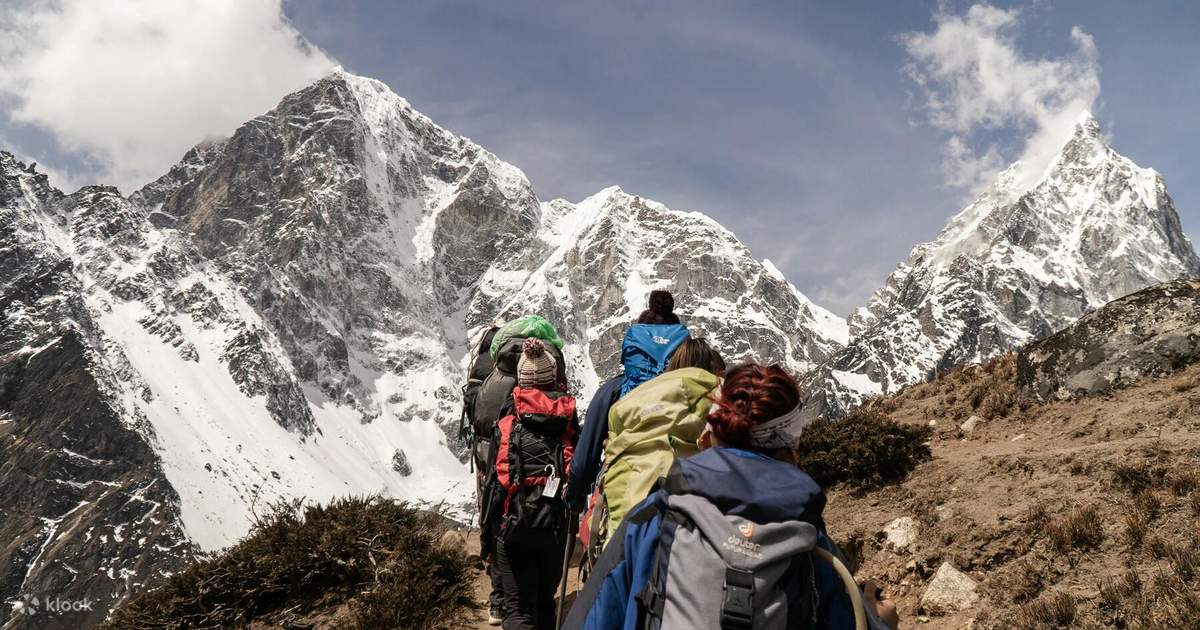
Planning your Nepal trek for autumn 2026? This guide covers everything you need to know for a perfect Himalayan adventure. Expect stable weather, clear mountain views, and comfortable temperatures from September to November. We'll detail popular routes, essential packing, visa requirements, and cultural events to ensure your trip is smooth and unforgettable. Prepare for an incredible journey amidst Nepal's stunning landscapes.
Key takeaways
- Autumn 2026 (Sept-Nov) is prime for Nepal trekking.
- Expect clear skies, stable weather, and moderate temperatures.
- Popular treks include Everest Base Camp and Annapurna Circuit.
- Pack layers, sturdy boots, and rain gear; secure visas early.
- Festivals like Dashain and Tihar add cultural richness.
Nepal, the land of the Himalayas, beckons adventurers from across the globe, and for those planning a trip in 2026, the autumn season stands out as the absolute pinnacle for trekking. From late September through November, the country transforms, offering unparalleled conditions that make exploring its iconic mountain trails an unforgettable experience. This comprehensive guide from Yatra is designed to equip you with all the essential information for planning your Nepal autumn trekking adventure in 2026, ensuring you make the most of this magical time of year.
Why Autumn 2026 is the Prime Time for Trekking in Nepal
The autumn season in Nepal is synonymous with trekking perfection. After the monsoon rains have cleansed the atmosphere, the skies become crystal clear, revealing panoramic views of the world's highest peaks, from Everest to Annapurna. The weather is typically stable, with minimal rainfall and comfortable daytime temperatures, making long days on the trail enjoyable. This period also coincides with major Nepali festivals, adding a vibrant cultural dimension to your journey. For anyone considering travel to Nepal in 2026 with a focus on high-altitude trekking, autumn offers the ideal blend of favorable weather, stunning scenery, and rich cultural immersion.
Weather and Climate Expectations for Autumn 2026
The autumn months in Nepal (September, October, and November) present a delightful climate for trekkers. Following the monsoon, the air is crisp and clean, ensuring excellent visibility. Daytime temperatures in the lower and mid-altitudes (up to 3,000 meters) typically range from 15°C to 25°C, providing comfortable trekking conditions. As you ascend to higher altitudes, temperatures will naturally drop, especially during evenings and early mornings, often falling below freezing point at elevations above 4,000 meters. However, the days usually remain sunny and relatively mild. October is often considered the sweet spot, offering the most stable weather and clearest views, though late September and early November also provide fantastic opportunities. Trekkers should prepare for temperature variations and potential light snowfall at very high elevations, particularly towards late November.
Popular Trekking Routes for Nepal Autumn 2026
Autumn 2026 is the perfect time to embark on Nepal's most legendary treks. Here are some top recommendations:
Everest Base Camp Trek (EBC)
The iconic journey to Everest Base Camp remains a top choice. In autumn 2026, the trail will be bustling, but the rewards are immense: unparalleled views of Everest, Lhotse, Nuptse, and Ama Dablam, along with immersion in Sherpa culture. The clear weather ensures spectacular mountain vistas from Kala Patthar and throughout the Khumbu Valley. Allow approximately 12-14 days for this trek.
Annapurna Circuit Trek
Offering incredible diversity, the Annapurna Circuit takes you through lush rhododendron forests, arid Mustang-like landscapes, and across the challenging Thorong La Pass (5,416 meters). Autumn 2026 will provide the best conditions for crossing the pass safely and enjoying the varied scenery, from Hindu villages to Buddhist monasteries. This trek typically takes 15-20 days.
Langtang Valley Trek
A shorter but equally rewarding option, the Langtang Valley Trek offers a close-up experience of Tibetan-influenced culture and stunning glaciers without reaching extreme altitudes. It's an excellent choice for those with less time but still seeking dramatic Himalayan scenery. The autumn of 2026 will see the valley at its most vibrant, with clear views of Langtang Lirung. This trek can be completed in 7-10 days.
Manaslu Circuit Trek
For a more remote and authentic experience, the Manaslu Circuit is gaining popularity. This challenging trek circumnavigates the world's eighth-highest mountain, Manaslu, offering raw Himalayan beauty and deep cultural encounters in restricted areas. Autumn 2026 is ideal for tackling the Larkya La Pass (5,106 meters) and enjoying the pristine environment before it becomes too crowded. This trek usually takes 14-18 days and requires special permits.
Essential Packing List for Autumn Treks in Nepal 2026
Packing smart is crucial for a comfortable and safe trek. Given the varying temperatures in autumn 2026, layering is key:
- Clothing: Thermal base layers (wool or synthetic), fleece jacket, down jacket (for higher altitudes), waterproof and windproof outer shell jacket and pants, comfortable trekking shirts, trekking pants (convertible ones are great).
- Footwear: Sturdy, broken-in trekking boots with good ankle support, camp shoes or sandals, multiple pairs of trekking socks.
- Headwear: Sun hat, warm hat (beanie), sunglasses.
- Gear: Backpack (40-60 liters), daypack (for shorter treks), sleeping bag (comfort rating -10°C to -20°C for higher altitudes), trekking poles, headlamp with spare batteries.
- Health & Safety: First-aid kit (personal medications, pain relievers, blister treatment, antiseptic wipes), water purification tablets/filter, high-factor sunscreen, lip balm with SPF.
- Miscellaneous: Reusable water bottle, toiletries, small towel, power bank, camera, personal snacks, cash (NPR) for small purchases.
Remember to pack light but be prepared for all conditions. Consulting with your trekking agency or guide for specific route requirements is always recommended.
Visa Requirements for Nepal in 2026
Most foreign nationals can obtain a visa on arrival at Tribhuvan International Airport (TIA) in Kathmandu, or at land border crossings. As of 2026, the process is expected to remain similar. You will need:
- A passport valid for at least six months beyond your intended stay.
- One passport-size photograph.
- The completed arrival card and visa application form (available at the airport or online for pre-filling).
- The visa fee in cash (USD is generally preferred, but other major currencies may be accepted).
Visa fees for 2026 are likely to be around 30 USD for 15 days, 50 USD for 30 days, and 125 USD for 90 days. It's always advisable to check the official website of the Department of Immigration, Nepal, closer to your travel date for the most up-to-date information regarding fees and requirements for 2026.
Health and Safety Tips for Autumn Treks
Trekking in the Himalayas requires careful preparation:
- Altitude Sickness (AMS): Acclimatize properly. Ascend slowly, stay hydrated, and be aware of symptoms. Do not ignore warning signs; descend if symptoms worsen.
- Hydration: Drink plenty of water (3-4 liters per day) to prevent dehydration and aid acclimatization.
- Travel Insurance: Ensure your travel insurance covers high-altitude trekking and emergency helicopter evacuation.
- Guide and Porter: Hiring a licensed guide and/or porter is highly recommended for safety, navigation, and local support, especially for higher altitude or remote treks.
- Stay on Trail: Always stick to marked trails to avoid getting lost or encountering hazards.
- Respect Local Culture: Be mindful of local customs and traditions. Dress modestly, especially when visiting monasteries or temples.
Cultural Events and Festivals in Autumn 2026
The autumn season in Nepal is rich with vibrant festivals, offering a unique cultural experience alongside your trek:
- Dashain: Nepal's longest and most auspicious Hindu festival, Dashain, typically falls in late September or early October. In 2026, expect celebrations to begin around late September. It's a time for family reunions, feasting, kite flying, and receiving blessings. While major cities will be quieter as people return to their ancestral homes, you might witness local celebrations in trekking villages.
- Tihar (Deepawali): Also known as the Festival of Lights, Tihar usually follows Dashain by a few weeks, falling in late October or early November. In 2026, it is anticipated to be celebrated in late October. This five-day festival involves worshipping crows, dogs, cows, and Laxmi (the goddess of wealth), culminating in Bhai Tika, a special day for siblings. Trekkers might see houses decorated with oil lamps and marigold garlands, and hear traditional carols.
These festivals provide a wonderful opportunity to experience Nepal's rich cultural heritage firsthand, adding another layer of depth to your autumn 2026 adventure.
Accommodation and Logistics for Your 2026 Autumn Trek
During the peak autumn season, tea houses and lodges along popular trekking routes can fill up quickly. It is highly advisable to book your accommodation in advance, especially for popular stops on the Everest Base Camp and Annapurna Circuit treks. Many trekking agencies, including Yatra, offer packages that include pre-booked accommodation, guides, and porters, streamlining your logistics. While basic, these lodges provide meals and a warm place to rest. Expect prices for food and lodging to increase with altitude.
For international flights to Nepal, Tribhuvan International Airport (TIA) in Kathmandu (KTM) is the primary gateway. Internal flights to Lukla (for EBC) or Pokhara (for Annapurna) should also be booked well in advance, as seats are limited and weather can cause delays. Ensure your travel to Nepal in 2026 is as smooth as possible by planning these details early.
Booking Your Trek for 2026
Given the popularity of the autumn season, it's highly recommended to book your trek with a reputable agency well in advance, ideally 4-6 months prior to your departure date for 2026. This ensures availability for guides, porters, and permits, especially for restricted areas like the Manaslu Circuit. A good trekking agency will assist with itinerary planning, permits, accommodation, and provide essential gear advice.
Conclusion
The Nepal autumn trekking season in 2026 promises an unparalleled adventure, combining the majesty of the Himalayas with stable weather and vibrant cultural experiences. Whether you dream of standing at Everest Base Camp, circling the Annapurnas, or exploring the serene Langtang Valley, autumn offers the perfect canvas for your Himalayan masterpiece. With careful planning, appropriate packing, and a spirit of adventure, your travel to Nepal in 2026 will undoubtedly be a journey of a lifetime. Start planning your unforgettable autumn trek with Yatra today and prepare to be captivated by the beauty of Nepal.