Winter in Nepal 2026: Best Destinations and Tips
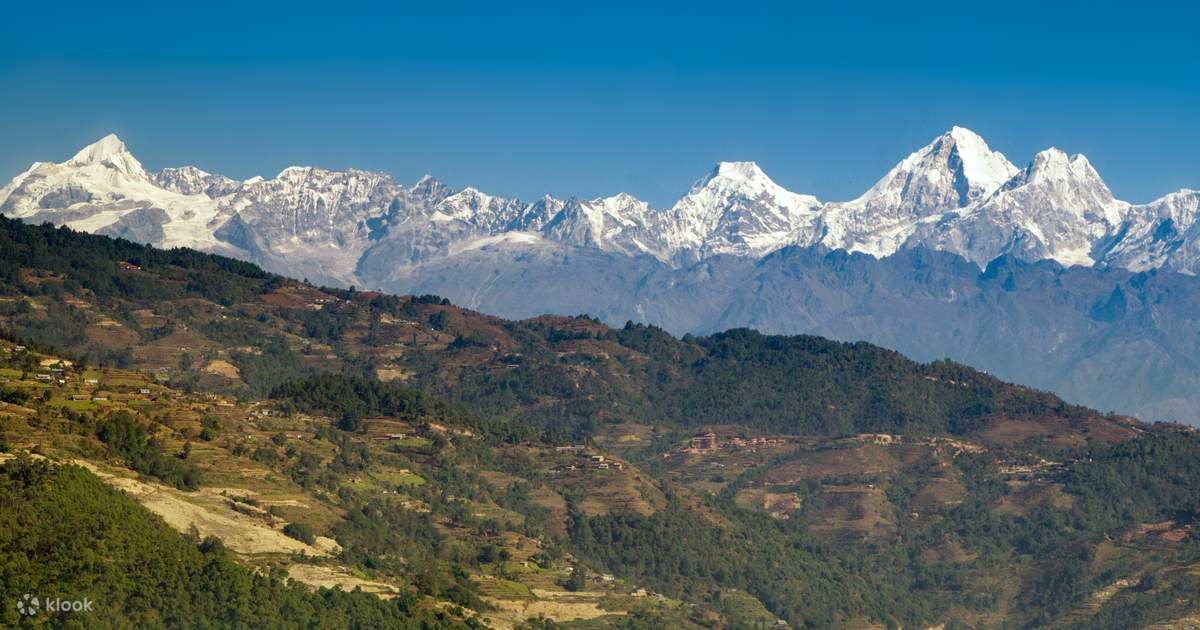
For winter travel to Nepal in 2026, expect cold but clear weather, especially in the mountains. Trekking is possible at lower altitudes, while city tours and cultural experiences thrive. Pack warm layers, check visa requirements, and enjoy fewer crowds. High-altitude passes will be challenging. Plan for serene landscapes and unique cultural immersion during this quieter season, ensuring a memorable journey in 2026.
Key takeaways
- Winter 2026 offers clear mountain views and significantly fewer crowds.
- Lower altitude treks and immersive cultural tours are ideal activities.
- Pack warm, layered clothing, especially for chilly evenings and mornings.
- High mountain passes are often snow-bound and demand expert guidance.
- Always verify Nepal's visa validity and current health advisories for 2026.
Nepal in winter 2026 presents a captivating, albeit chilly, landscape for travelers seeking adventure and cultural immersion away from the peak season rush. While many associate Nepal with spring and autumn trekking, the winter months from December to February offer distinct advantages: unparalleled clear mountain views, fewer tourists on popular trails and in major cities, and a chance to experience local life during a quieter period. However, it also comes with specific challenges, primarily cold temperatures and snow at higher elevations. This guide will help you navigate a memorable winter journey in Nepal for 2026, covering everything from the best destinations to essential packing tips and trek statuses.
Weather in Nepal During Winter 2026
Nepal's diverse topography means that winter weather in 2026 will vary significantly across its regions. Generally, winter is characterized by dry weather, clear skies, and cold temperatures, particularly at night and in the mornings.
- Terai Region (Southern Plains): Expect mild to cool temperatures, averaging around 10-20°C (50-68°F). Mornings can be foggy, especially in December and January, but days often clear up to pleasant sunshine.
- Hilly Region (Kathmandu, Pokhara): Temperatures typically range from 0-15°C (32-59°F). Days are usually sunny and pleasant, but evenings and mornings can be quite cold, often dropping to near freezing. Occasional light rain or even a rare snowfall might occur in higher parts of the Kathmandu Valley.
- Mountain Region (Himalayas): This is where winter truly makes its presence felt. Temperatures will be well below freezing, often dropping to -10°C (14°F) or colder at higher altitudes. Heavy snowfall is common, especially above 3,000 meters (9,840 feet), making many high passes inaccessible. Daytime temperatures at lower mountain elevations (like Namche Bazaar) can still be around freezing or slightly above, offering crisp, clear conditions.
The air quality tends to be excellent during winter due to less dust and clearer atmospheric conditions, providing breathtaking panoramic views of the Himalayas.
Best Destinations for Winter Travel in Nepal 2026
While high-altitude trekking might be off-limits for most, Nepal offers a wealth of incredible experiences for winter visitors in 2026.
Kathmandu Valley: Cultural Heartbeat
The capital city and its surrounding areas are perfect for winter exploration. The clear skies offer stunning views of distant snow-capped peaks from vantage points like Nagarkot or Dhulikhel. Explore UNESCO World Heritage Sites such as Pashupatinath Temple, Boudhanath Stupa, Swayambhunath (Monkey Temple), and the ancient Durbar Squares of Kathmandu, Patan, and Bhaktapur. The cooler weather makes walking through these historic sites more comfortable, and fewer crowds allow for a more intimate experience. Cafes and restaurants with fireplaces provide cozy retreats.
Pokhara: Lakeside Serenity and Adventure
Nepal's second-largest city, Pokhara, is another excellent winter destination. The weather is generally milder than Kathmandu, with pleasant sunny days perfect for boating on Phewa Lake, visiting Devi's Fall, or exploring the Peace Pagoda. Short treks to Sarangkot or Dhampus offer incredible sunrise views over the Annapurna range without requiring high-altitude acclimatization. Paragliding, zip-lining, and ultralight flights are also popular activities, offering aerial views of the snow-dusted Himalayas.
Chitwan National Park: Wildlife Safari in Comfort
Located in the Terai region, Chitwan National Park offers a completely different winter experience. The mild temperatures (compared to the hills and mountains) make it an ideal time for jungle safaris, bird watching, and canoe rides. Spotting rhinos, elephants, deer, and various bird species is a highlight. The cooler weather means less humidity and fewer mosquitoes, enhancing the safari experience. Elephant breeding centers and Tharu cultural villages also provide enriching insights.
Lower Altitude Treks: Accessible Mountain Views
For those who still crave the mountains, several lower-altitude treks remain viable and highly rewarding in winter 2026.
- Poon Hill Trek: A classic short trek, the Ghorepani Poon Hill trek (around 3,210m / 10,531ft) is often accessible in winter, offering spectacular sunrise views of the Annapurna and Dhaulagiri ranges. Expect snow towards the top, but the lower sections are usually clear.
- Mardi Himal Base Camp (Lower Sections): While reaching the actual base camp might be challenging due to snow, the trek up to High Camp or even Forest Camp (around 3,500m / 11,480ft) can be done, providing incredible close-up views of Mardi Himal and Machhapuchhre.
- Langtang Valley (Lower Sections): The lower parts of the Langtang Valley trek, up to around Langtang Village (3,430m / 11,250ft), are often manageable. Beyond that, deep snow can make progress difficult and risky.
- Dhampus-Australian Camp Trek: A shorter, easier trek near Pokhara that provides stunning views of the Annapurna range and Machhapuchhre. It's perfectly suited for a winter day hike or an overnight stay.
Always consult with local guides or trekking agencies for the most up-to-date conditions before embarking on any winter trek.
Trekking Status in Winter 2026
Winter trekking in Nepal in 2026 requires careful planning and a realistic understanding of conditions. While lower-altitude routes are often open, high-altitude passes and base camps are typically snow-bound and extremely cold.
Lower vs. High Altitude Treks
- Lower Altitude (below 3,500m / 11,500ft): Many trails are accessible, offering clear, crisp days and magnificent views. Teahouses generally remain open, though some might offer limited services.
- High Altitude (above 3,500m / 11,500ft): Treks to Everest Base Camp, Annapurna Base Camp, and passes like Thorong La (Annapurna Circuit) or Cho La (Everest Region) are extremely challenging and often dangerous due to heavy snow, avalanches, and severe cold. Most teahouses at these elevations will be closed. Only highly experienced trekkers with appropriate gear, guides, and porters should attempt these, and even then, with extreme caution.
Gear Requirements and Safety
For any winter trek, even at lower altitudes, proper gear is paramount. This includes a robust layering system (base, mid, and outer layers), a warm sleeping bag (rated to at least -10°C), waterproof and windproof outer shells, sturdy trekking boots, gaiters, crampons (for icy patches), trekking poles, warm hat, gloves, and sunglasses. Always carry a well-stocked first-aid kit. Hiring an experienced local guide is highly recommended for safety, navigation, and understanding local conditions. Travel insurance covering high-altitude trekking and emergency evacuation is essential.
Events and Festivals in Winter 2026
Winter in Nepal is also a time for several vibrant cultural and religious festivals. Experiencing these offers a unique insight into Nepali traditions.
- Maghe Sankranti (Mid-January 2026): This Hindu festival marks the end of winter and the beginning of longer days. People take holy dips in rivers, especially at the confluence of the Bagmati and Bishnumati rivers in Kathmandu or at Devghat. Traditional foods like 'Chaku' (molasses) and 'Ghiu Khichari' (rice cooked with clarified butter) are consumed.
- Sonam Lhosar (Late January/Early February 2026): Celebrated by the Tamang community as their New Year, this festival features colorful dances, traditional music, and feasting.
- Gyalpo Lhosar (Late February/Early March 2026): The New Year of the Sherpa community, celebrated with great enthusiasm, especially in the Everest region and Boudhanath in Kathmandu. Monasteries host special prayers, and cultural performances are common.
Checking the exact dates for 2026 closer to your travel time is advisable as these festivals follow lunar calendars.
Hotel Pricing Curve in Winter 2026
Generally, winter is considered the off-peak season for tourism in Nepal, especially for trekking. This often translates to more competitive pricing for accommodations. You can expect:
- Lower Prices: Many hotels, especially in Kathmandu and Pokhara, may offer discounted rates or special packages to attract visitors. This applies to guesthouses and mid-range hotels.
- Stable Prices: Luxury hotels and resorts might maintain their rates, but you might find better availability.
- Teahouse Availability: In trekking regions, teahouses at lower altitudes will be open, and prices for food and lodging will be standard, though negotiation might be possible due to fewer trekkers. Higher up, many will be closed.
Despite lower demand, it's still prudent to book your preferred accommodations in advance, especially if traveling during specific festival dates or around Christmas/New Year 2026, when some international tourists might visit.
Visa Validity for Nepal in 2026
For your 2026 trip, ensure you check the most current visa requirements and validity periods for Nepal. Visa policies are subject to change, so consulting the official website of the Department of Immigration, Nepal (nepalimmigration.gov.np) or your nearest Nepali embassy/consulate is crucial. Typically, on-arrival visas are available for citizens of many countries at Tribhuvan International Airport (Kathmandu) and various land border crossings. Ensure your passport has at least six months of validity beyond your intended stay and that you have sufficient blank pages for stamps.
What to Pack for Winter in Nepal 2026
Packing smart is essential for a comfortable winter trip. The key is layering:
- Clothing: Thermal base layers (tops and bottoms), fleece jackets, down jacket (essential, especially for evenings and higher altitudes), waterproof and windproof outer shell jacket and trousers, warm trekking pants, sweaters.
- Footwear: Waterproof and insulated trekking boots (broken in!), warm socks (wool or synthetic), comfortable shoes for city exploration.
- Accessories: Warm hat (beanie), gloves or mittens (waterproof preferred), scarf or buff, sunglasses (essential for snow glare), sun cream and lip balm with SPF.
- Essentials: Small daypack, headlamp or flashlight, power bank, reusable water bottle, personal first-aid kit with any necessary medications, hand sanitizer.
Even if you're not trekking, a good quality warm jacket and layers are indispensable for chilly mornings and evenings in Kathmandu and Pokhara.
Transportation in Winter 2026
Internal travel within Nepal in winter 2026 is generally reliable, though occasional delays can occur due to fog, especially for early morning flights in the Terai region. Domestic flights connect major cities like Kathmandu, Pokhara, and Bharatpur (for Chitwan). Tourist buses are a cost-effective option for inter-city travel, offering scenic routes. Roads are usually clear, but higher mountain passes may experience temporary closures due to heavy snowfall. Always factor in potential delays when planning your itinerary.
Health and Safety
Winter travel in Nepal requires attention to health and safety. Stay hydrated, even if you don't feel as thirsty in the cold. Be mindful of altitude sickness if you venture above 2,500m (8,200ft); ascend slowly and be aware of symptoms. Protect yourself from the cold by dressing in layers and avoiding prolonged exposure. Always inform someone of your itinerary, especially if trekking independently. Travel insurance is highly recommended, covering medical emergencies, evacuation, and trip cancellations.
Conclusion
Winter in Nepal 2026 offers a unique and rewarding experience for travelers willing to embrace the cold. With fewer crowds, crystal-clear mountain vistas, and a chance to witness local life in a different light, it's a season of quiet beauty. Whether you're exploring the ancient alleys of Kathmandu, enjoying the lakeside tranquility of Pokhara, spotting wildlife in Chitwan, or embarking on a lower-altitude trek, Nepal's winter charm is undeniable. Plan wisely, pack warmly, and prepare for an unforgettable adventure in the heart of the Himalayas.
Frequently Asked Questions
Sources
- Department of Immigration, Nepal — Government of Nepal
- Nepal Tourism Board Official Website — Nepal Tourism Board
- Climate of Nepal - Wikipedia — Wikipedia