Monsoon in Nepal 2026: Where to Go and What to Skip
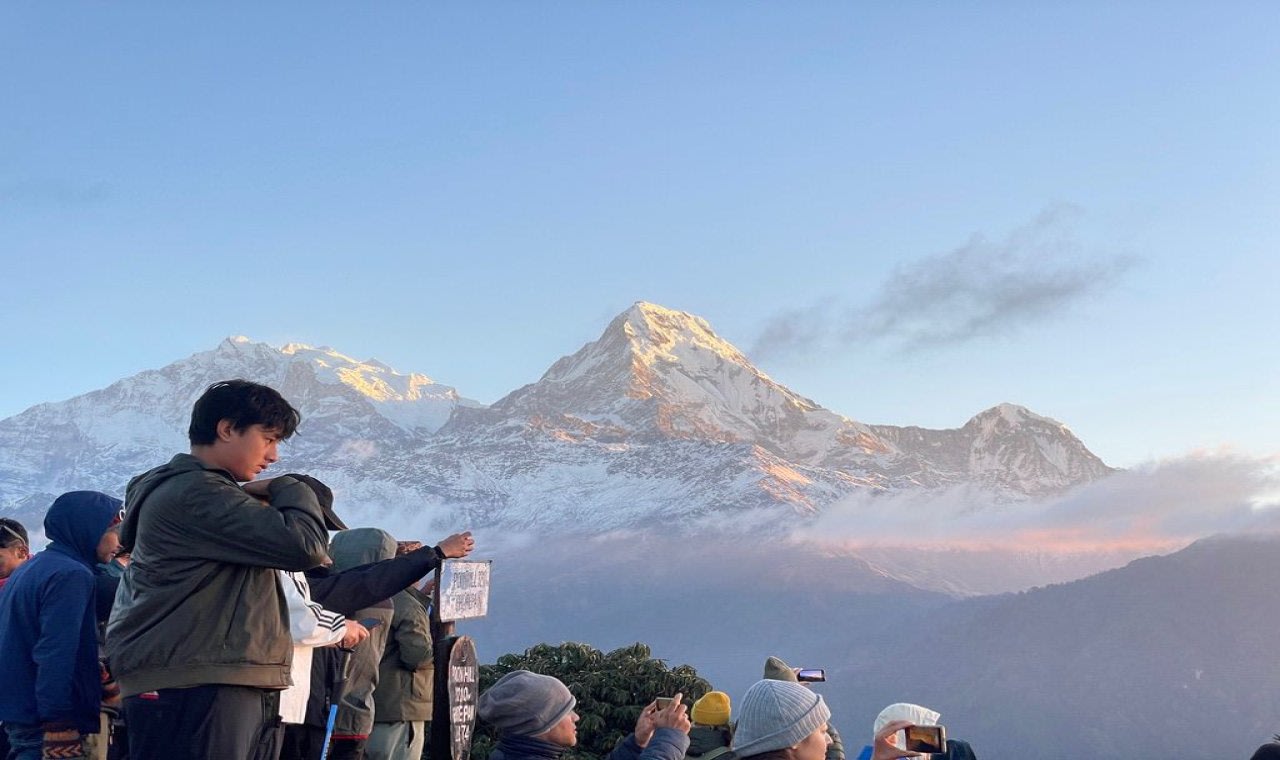
Traveling to Nepal during the 2026 monsoon season, from June to September, presents a distinct experience with lush greenery and fewer tourists. While some high-altitude treks are best avoided due to heavy rainfall and landslides, rain-shadow areas like Upper Mustang and cultural sites in the Kathmandu Valley offer incredible opportunities. Proper planning, including waterproof gear and flexible itineraries, is key to enjoying the unique beauty and cultural vibrancy of Nepal during this period.
Key takeaways
- Monsoon (June-Sept 2026) brings lush landscapes and fewer crowds.
- Prioritize rain-shadow treks like Upper Mustang for clearer trails.
- Kathmandu Valley and Pokhara are great for cultural exploration.
- Pack waterproof gear and sturdy footwear for comfort and safety.
- Expect potential travel delays due to weather; maintain flexible plans.
Monsoon in Nepal 2026: Embracing the Green Season
Nepal, a land of unparalleled natural beauty and rich cultural heritage, transforms dramatically during its monsoon season. From June to September 2026, the country experiences a period of rejuvenation, where the landscapes burst into vibrant green, waterfalls cascade with renewed vigor, and the air feels fresh and clean. While often perceived as an 'off-season' for travel, the monsoon offers a unique perspective for intrepid adventurers and culture enthusiasts alike. This comprehensive guide will help you navigate Nepal's monsoon in 2026, highlighting the best places to visit, activities to enjoy, and areas that might be better skipped, ensuring a memorable and safe journey.
Understanding the Monsoon Weather in Nepal 2026
The monsoon in Nepal, primarily influenced by the Bay of Bengal, typically runs from early June to late September. During this period, the country receives approximately 80% of its annual rainfall. However, the weather patterns are not uniform across all regions:
- Hilly and Terai Regions: These areas experience the heaviest rainfall, leading to lush vegetation, but also potential for landslides and road blockages. Temperatures remain warm and humid, often between 25-30°C (77-86°F) in lower elevations.
- Kathmandu Valley: While it receives significant rainfall, it's often in short, intense bursts, with sunny periods in between. The valley becomes incredibly green, and the air is clean, offering clear views of the surrounding hills after the rain.
- Mountainous Regions: The higher Himalayas act as a rain barrier. Regions north of the main Himalayan range, known as 'rain shadow' areas, receive significantly less precipitation. These include Upper Mustang, Dolpo, and parts of Manang and Annapurna. Temperatures here are cooler, but still pleasant for trekking.
Expect high humidity throughout the country, and occasional thunderstorms, especially in the afternoons.
The Upsides of Monsoon Travel in Nepal 2026
Traveling during the monsoon season in 2026 offers several distinct advantages:
- Lush Green Landscapes: The country transforms into a verdant paradise. Rice paddies glow emerald green, forests are vibrant, and countless waterfalls emerge, offering spectacular photographic opportunities.
- Fewer Crowds: As it's considered the off-season, popular tourist spots and trekking trails are significantly less crowded. This allows for a more intimate and authentic experience with nature and local culture.
- Potential for Better Deals: Hotels, guesthouses, and even some tour operators may offer discounted rates during the monsoon, making it a more budget-friendly time to visit.
- Cultural Immersion: The monsoon season is rich in traditional festivals, such as Teej (a women's festival) and Gai Jatra (the festival of cows), especially celebrated in the Kathmandu Valley. Participating in or observing these events offers deep insights into Nepali culture.
- Clean Air and Clear Views (Post-Rain): The rains wash away dust and pollution, often leading to incredibly crisp air and stunningly clear views of the mountains immediately after a downpour, particularly in the morning.
Where to Go in Nepal During Monsoon 2026
1. Rain Shadow Trekking Regions
For trekkers, the rain shadow areas are the undisputed stars of monsoon travel.
- Upper Mustang: This ancient Buddhist kingdom, nestled in the rain shadow of the Annapurna and Dhaulagiri ranges, is arid and receives minimal rainfall. Trekking here in 2026 offers stunning barren landscapes, unique Tibetan-influenced culture, and ancient monasteries. The trails are dry, and the views are often unobstructed.
- Dolpo: Similar to Mustang, Dolpo is another remote, high-altitude rain shadow region. It offers an even more rugged and off-the-beaten-path experience, with pristine nature and traditional Bon-Po culture. Permits are required and treks are more challenging but incredibly rewarding.
- Manang and Nar Phu Valley: While parts of the Annapurna Circuit are affected by monsoon, the regions of Manang and the remote Nar Phu Valley, lying north of the main Himalayan range, receive less rain. These areas provide excellent trekking options with spectacular mountain views and unique cultural experiences.
2. Cultural and Heritage Hubs
The Kathmandu Valley and Pokhara remain excellent destinations for cultural exploration and relaxation.
- Kathmandu Valley: Home to three UNESCO World Heritage Sites (Kathmandu Durbar Square, Patan Durbar Square, Bhaktapur Durbar Square), the valley offers an abundance of temples, stupas, and ancient palaces. The occasional rain showers add to the mystical atmosphere, and the vibrant festivals provide unique cultural insights. Museums and art galleries offer indoor activities.
- Pokhara: Nepal's second-largest tourist destination, Pokhara, offers a more relaxed pace. While it does receive significant rainfall, the city's beautiful lakeside setting and surrounding hills are stunningly green. Boating on Phewa Lake might be weather-dependent, but paragliding is often still possible during breaks in the rain. Activities like exploring caves (Mahendra Cave, Gupteshwor Cave), visiting Devi's Fall, and enjoying the relaxed cafe culture are perfect for monsoon.
3. Wildlife Encounters
While challenging, wildlife viewing can be unique during monsoon.
- Chitwan National Park: Although some trails might be muddy and visibility can be reduced, the monsoon brings out a different side of Chitwan. The vegetation is incredibly dense, and animals are often more active after the rain. Jeep safaris might be limited due to road conditions, but canoe trips on the Rapti River can offer great birdwatching opportunities. Be prepared for leeches and mosquitoes.
What to Skip or Approach with Caution During Monsoon 2026
While Nepal is beautiful in monsoon, some activities and regions are best avoided or approached with extreme caution:
- Most High-Altitude Treks (Outside Rain Shadow): Popular treks like Everest Base Camp (EBC), Annapurna Base Camp (ABC), Langtang, and other lower-altitude trails can become very challenging. Trails are often slippery, muddy, and infested with leeches. Views are frequently obscured by clouds, and the risk of landslides and flash floods increases, making them less enjoyable and potentially dangerous.
- Road Travel in Hilly Regions: Landslides are common during heavy monsoon rains, especially on highways connecting cities. This can lead to significant delays, diversions, or even complete road closures. If you must travel by road, allow extra time and check road conditions beforehand.
- River Rafting and Canyoning: Rivers swell dramatically during monsoon, making white-water rafting and canyoning extremely dangerous due to strong currents and high water levels. Most operators suspend these activities for safety reasons.
- Peak Climbing and Mountaineering: The monsoon season is generally not suitable for peak climbing or mountaineering due to unstable weather, heavy snow at higher altitudes, and increased avalanche risk.
Practicalities for Monsoon Travel in Nepal 2026
Packing List Essentials
To ensure a comfortable and safe monsoon trip in 2026, pack smart:
- Waterproof Gear: A good quality waterproof and windproof jacket, waterproof trousers, and a rain cover for your backpack are essential.
- Footwear: Sturdy, waterproof trekking boots with good grip are crucial for muddy or slippery trails. Consider waterproof sandals or crocs for city use.
- Quick-Drying Clothes: Synthetic fabrics that dry quickly are preferable over cotton.
- Insect Repellent: Mosquitoes and leeches are prevalent, especially in lower altitudes and forested areas.
- Sun Protection: Even during monsoon, the sun can be strong when it's out. Pack sunscreen, a hat, and sunglasses.
- Basic First-Aid Kit: Include antiseptics, band-aids, rehydration salts, and any personal medications.
- Small Umbrella: Handy for unexpected showers in urban areas.
Accommodation and Pricing
Hotel pricing during the 2026 monsoon might see a slight dip in popular areas outside the rain shadow regions due to lower demand. However, in popular monsoon trekking destinations like Upper Mustang, prices might remain stable or only slightly lower. It's always advisable to book your accommodation in advance, especially for specific hotels or guesthouses, as some smaller establishments might close or operate with reduced staff. You might find better deals on luxury or mid-range hotels in Kathmandu and Pokhara.
Visa Validity
The monsoon season does not affect Nepal's visa policies. Travelers in 2026 will need to obtain a visa as per the standard requirements. Visas can be obtained on arrival at Tribhuvan International Airport (TIA) in Kathmandu or at land border crossings, or in advance from Nepali diplomatic missions abroad. Ensure your passport has at least six months of validity remaining from your date of entry.
Transportation
- Internal Flights: Domestic flights, especially to remote mountain airstrips, can experience frequent delays or cancellations due to adverse weather conditions (low visibility, strong winds). Always build buffer days into your itinerary if relying on internal flights.
- Ground Transportation: Buses and private vehicles operate, but travel times can be significantly extended due to muddy roads, potholes, and potential landslides. For longer journeys, consider more robust vehicles or be prepared for delays.
Health and Safety
- Hydration and Food Hygiene: Drink plenty of bottled or purified water. Be cautious about street food and ensure meals are freshly prepared to avoid waterborne diseases.
- Leech Awareness: In forested areas, leeches are common. Salt, tobacco, or repellent can help deter them.
- Awareness of Natural Hazards: Stay informed about local weather forecasts and heed warnings regarding landslides or flash floods, particularly if trekking or traveling by road in hilly areas.
Conclusion
Monsoon in Nepal 2026 offers a truly unique and rewarding travel experience for those willing to embrace its distinct charm. With fewer tourists, vibrant green landscapes, and a rich tapestry of cultural festivals, it's an opportunity to see Nepal in a different light. By choosing the right destinations—particularly the rain shadow regions for trekking and the cultural hubs for sightseeing—and preparing adequately with the right gear and a flexible mindset, your monsoon adventure in Nepal can be nothing short of spectacular. Yatra is here to help you plan your perfect green season getaway!